Private Cloud
Private cloud infrastructure offers the control of on-prem resources with the automation and flexibility of cloud workflows. Designing both the software layer and the hardware foundation ensures performance, reliability, and long-term maintainability.
Ask Us About It
Understanding the Private Cloud Landscape
Private cloud environments combine orchestration software with dedicated hardware to deliver cloud-like operations under your direct control.

Software-Driven Private Cloud Environments
Orchestration and virtualization platforms create a flexible private cloud layer where workloads can be provisioned, automated, and managed through consistent templates and tooling.
Hardware-Centric Private Cloud Infrastructure
Dedicated compute, storage, and networking hardware provide full control over capacity, performance, and reliability for organizations that prefer direct ownership of their infrastructure.

Avoiding Common Pitfalls
Capacity limits, resource drift, and misaligned upgrades can create bottlenecks without clear architecture and monitoring.

Guidance You Can Trust
Crafty Penguins helps organizations build private cloud environments that stay reliable, efficient, and easy to manage over time.
Private cloud software platforms we design, deploy, and support:
 And More!
 cloudstack
 HPE GreenLake
 Hyper-V
 Nutanix
 openstack
 Oracle Cloud Infrastructure
 Promox VE
 Red Hat OpenShift
 VMWare





Why Private Cloud Architecture Matters
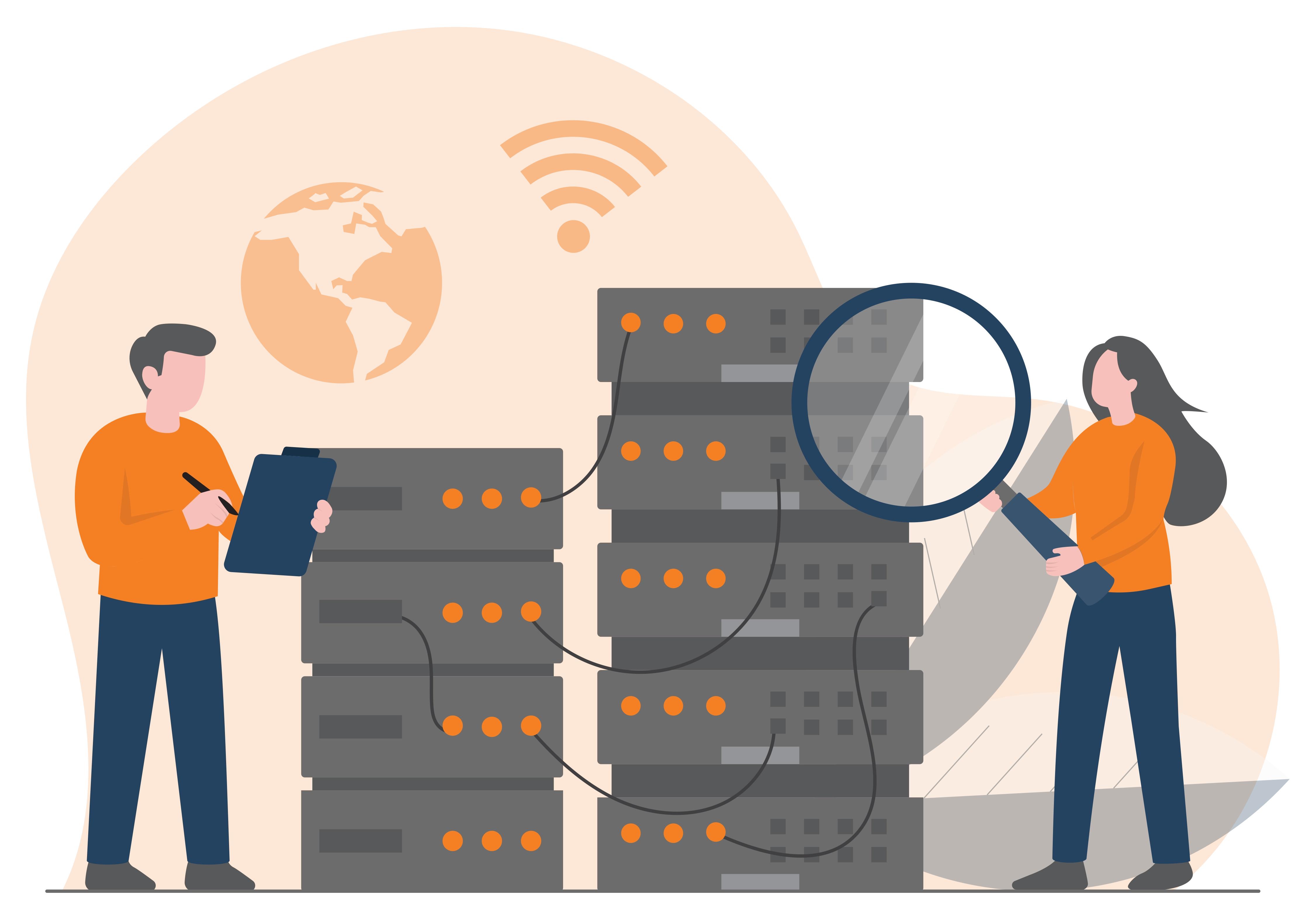
A well-designed private cloud blends software automation with reliable hardware to support consistent workloads and predictable performance. The architecture determines how easily teams can deploy new environments, manage capacity, and troubleshoot issues. Without this alignment, organizations may face slow deployments, fragmented workloads, and inconsistent behavior.

What Can You Expect?
- →Full Ownership of Performance:** Direct control over compute, storage, and network capacity.
- →Improved Security and Governance:** Stronger protection and policy alignment.
- →Reliable Planning and Scaling:** Clear insight for growth and upgrades.
- →Reduced Operational Surprises:** More stability and easier troubleshooting.
- →Consistent Workload Behavior:** Predictable operations across your private cloud.
Additional Consideration: Bridging Software and Hardware
Private clouds succeed when both layers evolve together. Software updates may require new hardware capabilities, while hardware expansions must follow the orchestration model already in place. Crafty Penguins guides organizations through these transitions with careful planning, ensuring growth is efficient and the environment remains predictable.
Our Expertise in Private Clouds
Our engineers design and support private cloud deployments that balance orchestration flexibility with hardware reliability. We assist with virtualization planning, workload placement, resource modeling, monitoring, and lifecycle management so your private cloud remains stable and easy to maintain. Crafty Penguins provides the clarity and structure needed to operate a private cloud confidently and efficiently.
Explore Our Solutions
Linux-based environments designed for performance, reliability, and scale.






The Crafty Penguin's Way, Our Proven Process
Effective Onboarding
A practical and effective initial onboarding experience that gets us aligned with your environment from day one.
Reliable Relationships
We build reliable long-term relationships, not just one-off engagements. We become part of your team.
Trust Through Reporting
We build trust through reporting, transparent, regular communication on what's happening with your systems.
Continuous Improvement
We enable your systems to keep improving over time, not just maintaining, but consistently getting better.